Oktoberfest: Why Munich celebrates – and what you can discover.
A Ferris wheel, music and Bavarian traditions: Oktoberfest offers much more than beer tents. Discover the story of the Wiesn and practise German for a first visit.
It began with a royal wedding in 1810
On 12 October 1810, Bavarian Crown Prince Ludwig married Princess Therese of Saxe-Hildburghausen. People in Munich joined the celebrations. A horse race on a meadow outside the city brought the wedding festivities to a close.
The meadow was named after Therese: Theresienwiese. Locals call it “die Wiesn”. Repeating the celebration gradually created the Oktoberfest tradition. The large tents and fairground rides familiar today were added later.
Why does Oktoberfest start in September?
Its name remembers the original October celebrations. The festival was later moved forward into September, when days are longer and the weather is often milder. Most of the festival now falls in September, usually ending in early October.
The original Oktoberfest takes place on Munich’s Theresienwiese. Other towns hold festivals with the same name. The Wiesn mainly reflects Bavarian traditions; other German regions have their own distinctive celebrations.
How people celebrate: music, parades and rides
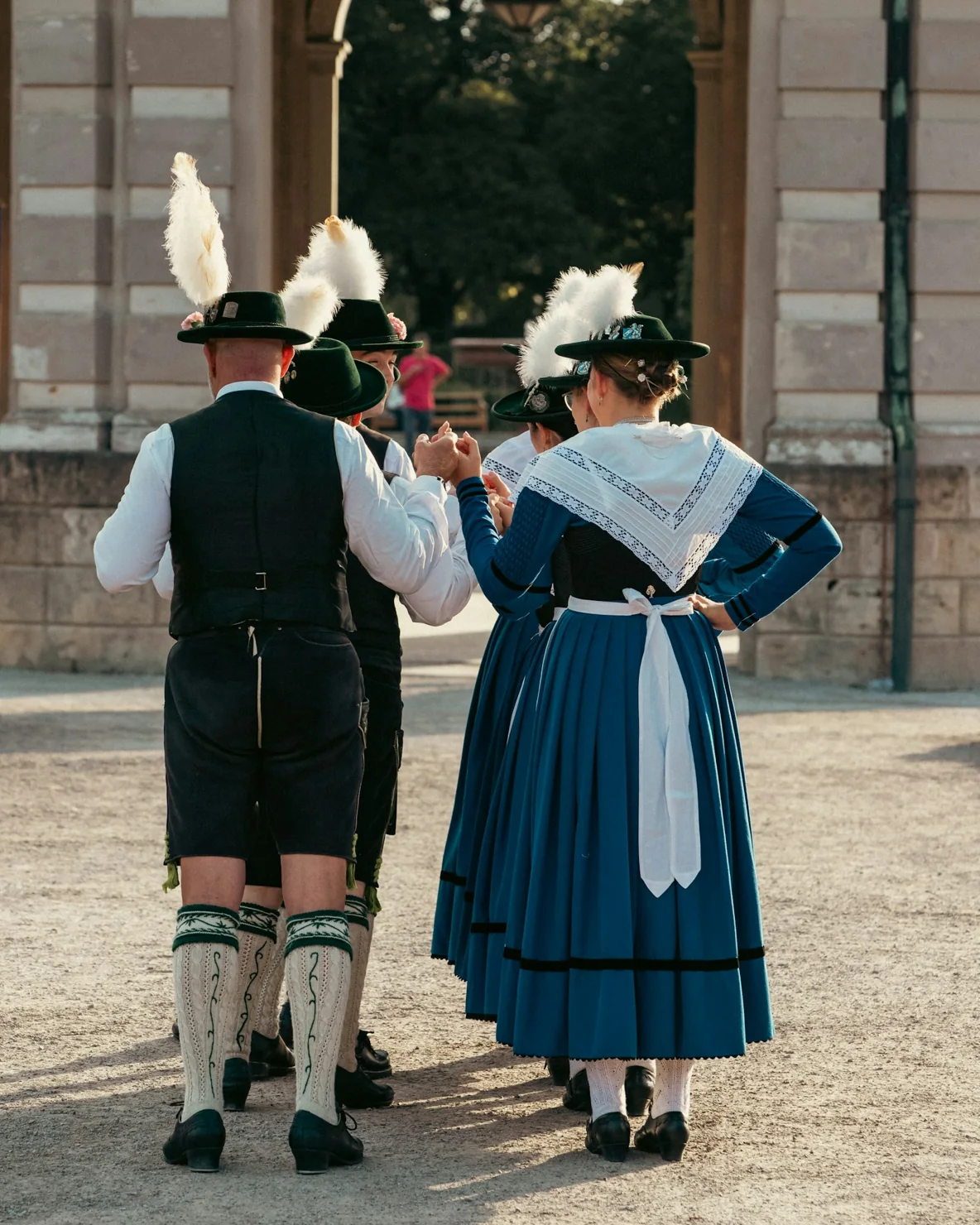
The arrival of the festival hosts and breweries is part of the opening celebrations. At the ceremonial tapping, Munich’s mayor opens the first beer barrel. The Bavarian call “O’zapft is!” means “It’s tapped!” A traditional costume and marksmen’s parade is another highlight.
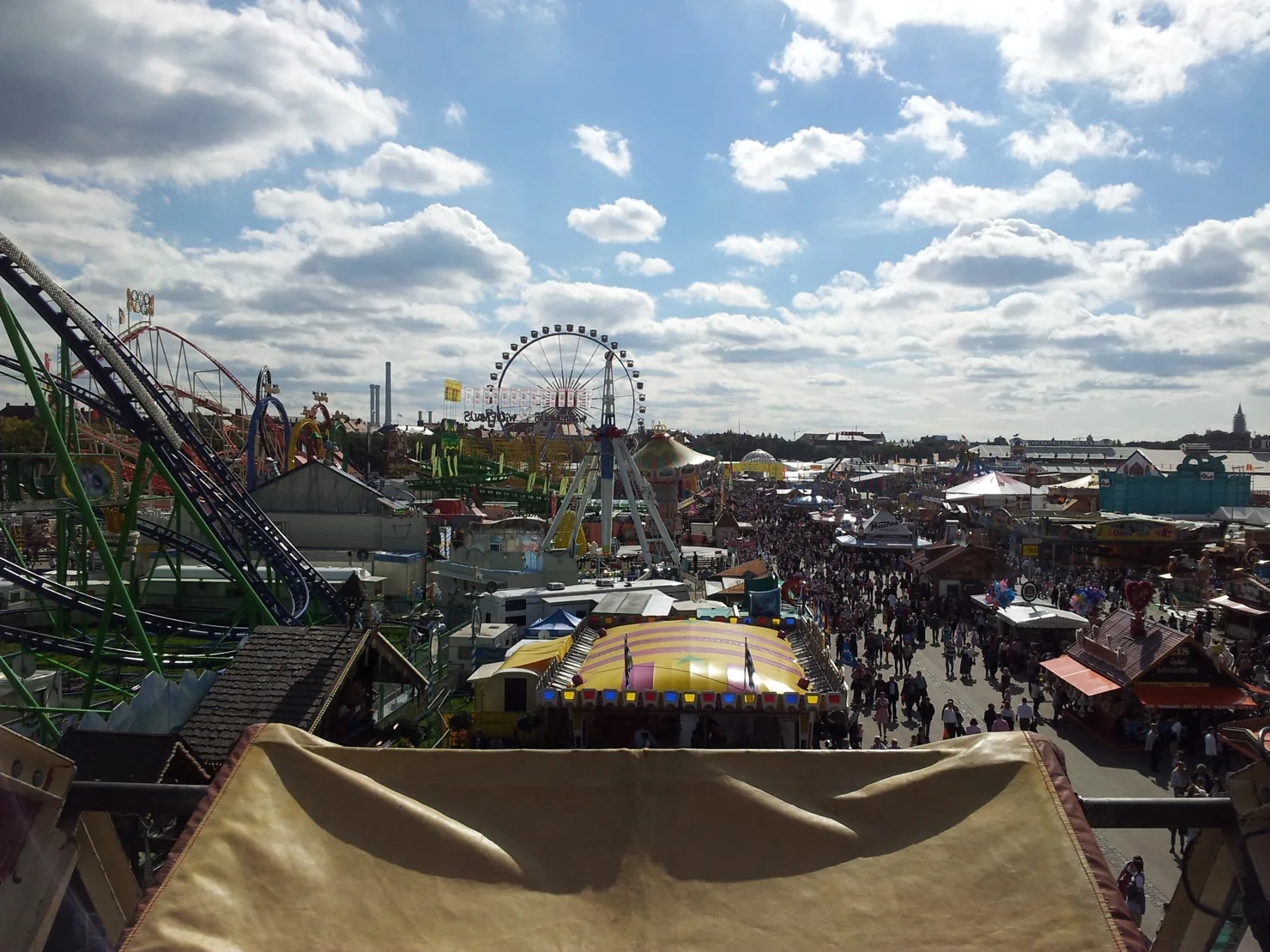
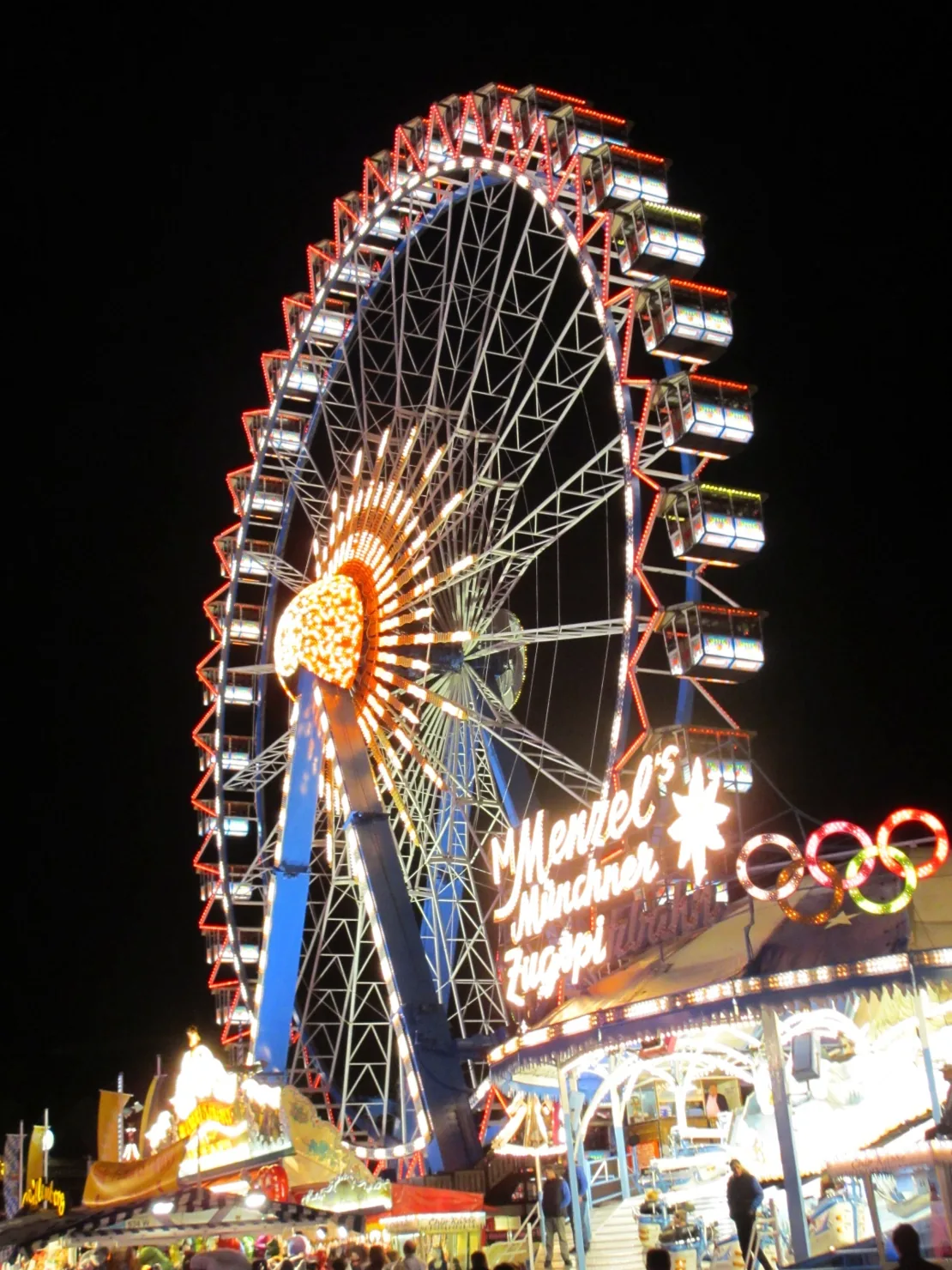
Inside the tents, visitors eat, talk and enjoy music. Outside, there are Ferris wheels, carousels and other rides. A relaxed walk around the fairground is another way to experience the atmosphere.
What do visitors wear and eat?
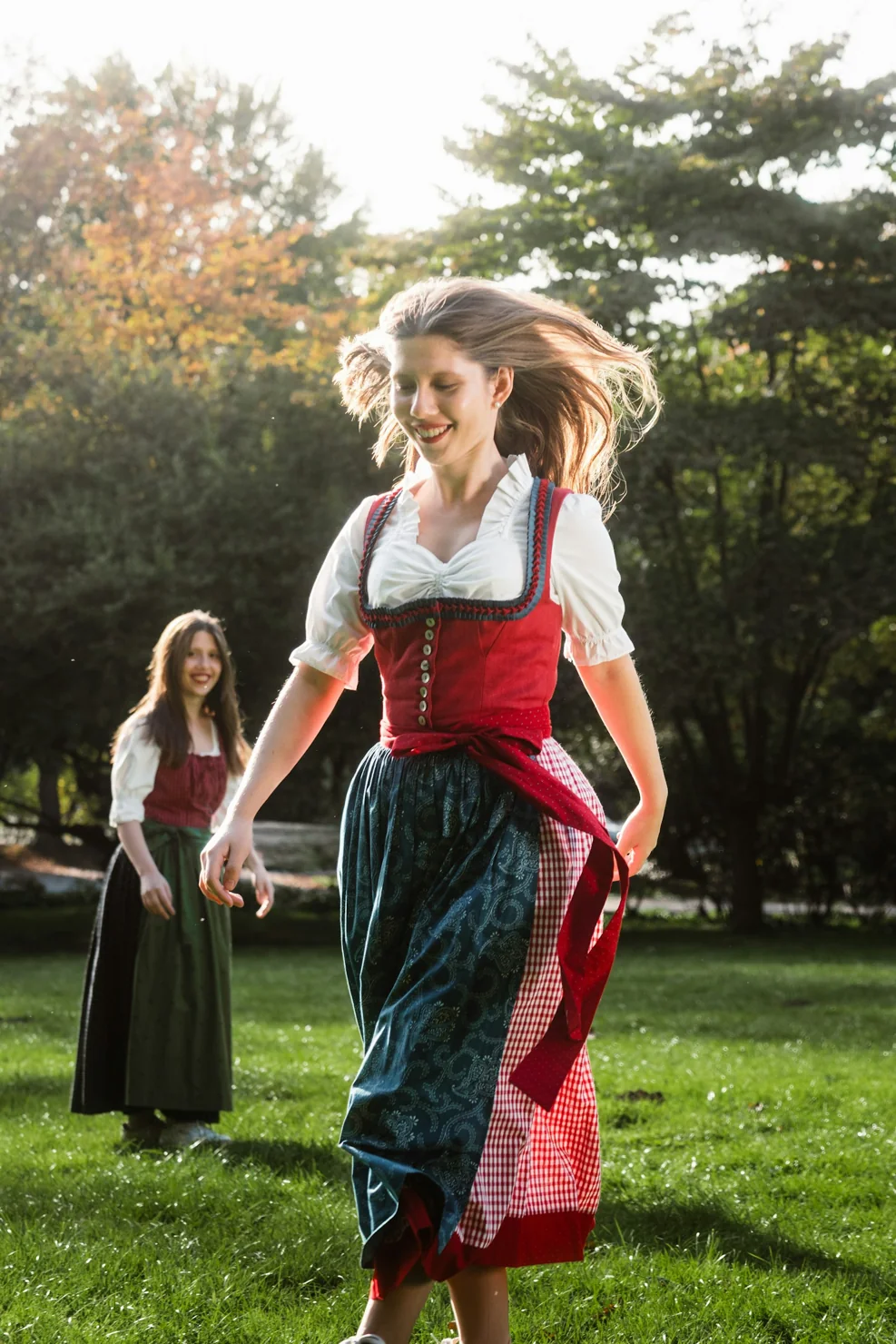
Many guests wear a Dirndl or Lederhose, forms of Bavarian traditional clothing called Tracht. You do not have to buy traditional clothing to visit. Ordinary, comfortable clothes are welcome too.
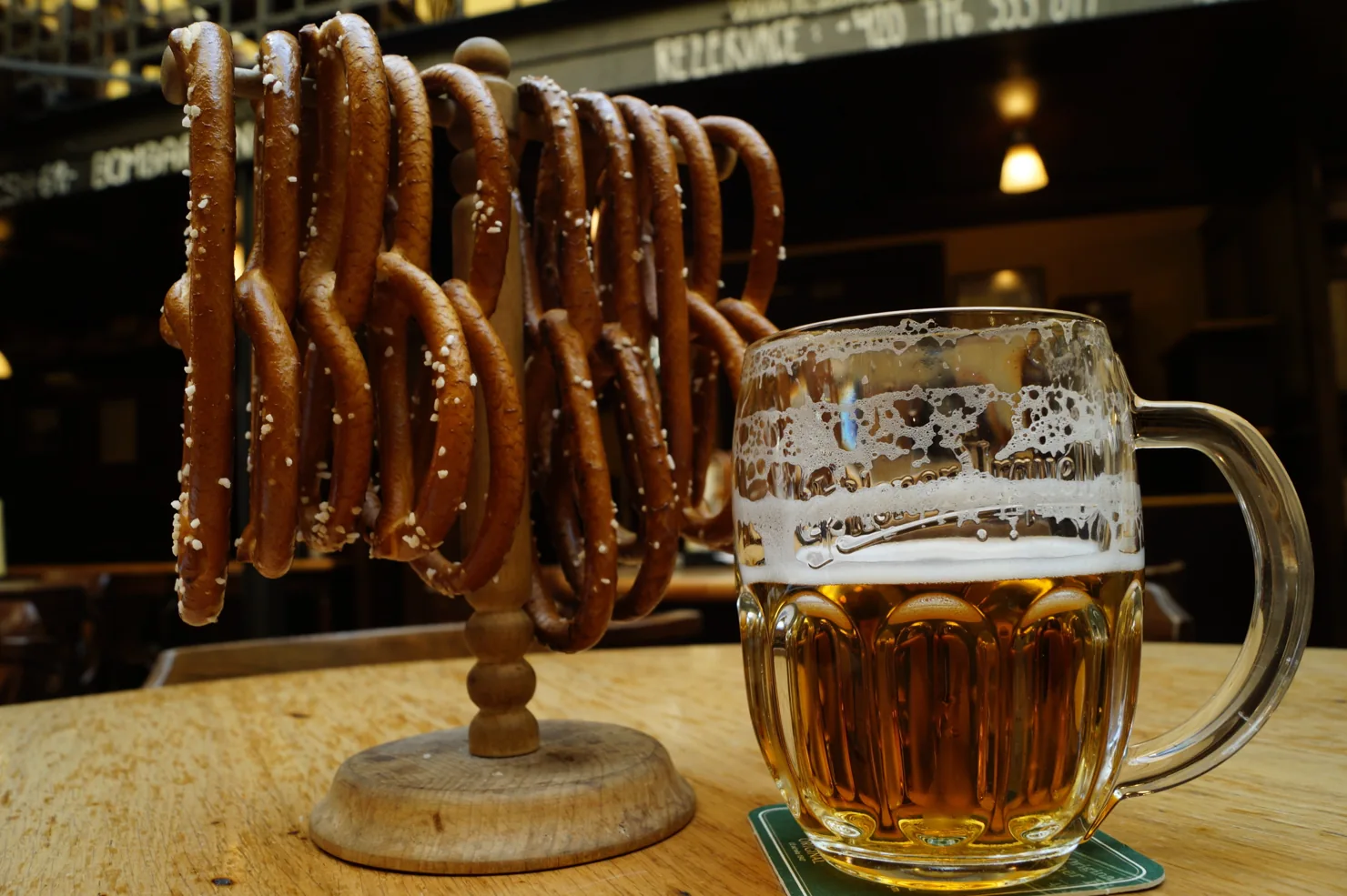
Large pretzels, often called “Brezn” in Bavaria, and roast chicken called “Hendl” are familiar foods. Vegetarian choices include Käsespätzle, a cheesy noodle dish. Decorated gingerbread hearts are popular souvenirs. You can also enjoy the festival without alcohol, choosing water or apple juice mixed with sparkling water, called Apfelschorle.
A simple plan for your first visit
Check the official website before going: dates, rules and offers can change. Decide what interests you and set a budget for food and rides. Entry to the main festival grounds is free; individual attractions and services may cost extra.
Agree on a meeting place with your companions. Two useful German phrases are “Ist hier noch ein Platz frei?” (Is this seat free?) and “Ich hätte gern eine Brezel und ein Wasser, bitte.” (I would like a pretzel and a water, please.) Try the vocabulary activities below.
Your Oktoberfest vocabulary
| Word & plural | Meaning | Example sentence |
|---|---|---|
| das Volksfestdie Volksfeste | public festival | Das Oktoberfest ist ein Volksfest. |
| das Festzeltdie Festzelte | festival tent | Im Festzelt spielt eine Band. |
| die Trachtdie Trachten | traditional clothing | Viele Gäste tragen Tracht. |
| die Brezeldie Brezeln | pretzel | Ich bestelle eine Brezel. |
| das Lebkuchenherzdie Lebkuchenherzen | heart-shaped gingerbread | Das Lebkuchenherz ist ein Souvenir. |
| das Fahrgeschäftdie Fahrgeschäfte | fairground ride | Welches Fahrgeschäft möchtest du ausprobieren? |
| das Riesenraddie Riesenräder | Ferris wheel | Wir fahren mit dem Riesenrad. |
| der Umzugdie Umzüge | parade; here, not moving house | Wir schauen uns den Umzug an. |
| gemütlich— | cosy, relaxed and welcoming | Hier ist es richtig gemütlich. |
| anstoßen— | to clink glasses / make a toast | Wir stoßen mit Apfelschorle an. |
1 · Fill the gaps: A day at the Wiesn
Use: Festzelt · Riesenrad · Brezel · gemütlich. 1. Zuerst fahren wir mit dem ___. 2. Danach kaufe ich eine ___. 3. Im ___ hören wir Musik. 4. Wir sitzen zusammen und finden es ___.
Show example / explanation
1. Riesenrad (Ferris wheel) · 2. Brezel (pretzel) · 3. Festzelt (festival tent) · 4. gemütlich (cosy and relaxed).
2 · Choose the German article
Add der, die or das: ___ Volksfest · ___ Tracht · ___ Umzug · ___ Lebkuchenherz · ___ Brezel.
Show example / explanation
das Volksfest · die Tracht · der Umzug · das Lebkuchenherz · die Brezel.
3 · Your short dialogue
Ask whether a seat is free and order a non-alcoholic drink. Write two polite German sentences using “Platz frei” and “Ich hätte gern …”.
Show example / explanation
Example: “Entschuldigung, ist hier noch ein Platz frei?” – “Ich hätte gern eine Apfelschorle und eine Brezel, bitte.” Other suitable polite answers are also correct.
Further reading
Official information and learning resources (some in German):
Published on 19 October 2026 · Culture & German learning. Check Oktoberfest.de for current dates and visitor information.